
Merced Previous Residents Sources
A backward trail works best when each source has one clear role. Start with the current address and parcel identity. Use the recorder for recorded parties, directories for named occupants, census schedules for household relationships, and permits or maps for changes to the building. Obituaries, probate files, cemetery records, and newspapers can explain why a name disappears. The source years below are uneven by design. They show where the trail changes hands.
| Source | Years it covers | Where held | What it shows |
|---|---|---|---|
| MBAP and MercedGEO | Current portal coverage | Online tax portal and city or county map | Situs, APN, assessment context, and mapped parcel |
| RecorderWorks | 1963-present | Merced County recorder index | Indexed parties, document type, date, and document number |
| Recorder deed books and index | County creation era through 1962; completeness to verify | 2222 M Street counter | Earlier grantor-grantee chain and legal descriptions |
| Museum Polk and business directories | 1877; 1884-1885; 1890; selected 1914-1989 years | Courthouse Museum archive | Names, addresses, occupations, and household clues |
| NARA Merced-Madera directories | 1914; 1917; 1920; 1922; 1926-1931; 1935 | NARA research facilities | Additional publication-year snapshots and nearby towns |
| Federal census | 1850-1950 public | NARA, FamilySearch, and library databases | Household relationships, ages, birthplace, and address context |
| Permits and Sanborn maps | Permit start not located; map years to verify | City or county records and Library of Congress | Construction, use, footprint, and possible numbering context |
| Obituaries, probate, and cemetery files | Custodian-specific | Library, Museum, court, newspapers, and cemetery custodians | Death, relatives, estate, and plot clues |
The first two records are not a complete resident roll. MBAP is oriented to assessment, fee parcel, and street-address searches, and MercedGEO maps parcels. RecorderWorks starts online on January 1, 1963. Earlier deeds, selected directories, census schedules, and local archive files supply the backward part of the trail.
The Merced County Assessor-Clerk-Recorder service page identifies the county office that holds recorded documents and related county records.
Build a Merced Address Packet
Begin with the location, not a guessed former occupant. Search the address in MercedGEO and the MBAP property-tax portal, then preserve every identifier that can survive a change in street spelling. MercedGEO accepts a full address, APN, intersection, common place, or block range. MBAP offers Assessment, Fee Parcel, and Street Address modes. Its instructions say to omit a spelled-out suffix, abbreviate a direction, and shorten the query when an older record uses a different form.
The previous residents of one address become easier to separate when this packet keeps the situs, APN, legal description, and source year together.
| Situs address | The physical location of the parcel or building. Keep the historical spelling beside the current form. |
|---|---|
| APN | The parcel identifier used to connect map, tax, and recorded-document research. Retain leading zeros. |
| Legal description | The lot, block, subdivision, or other land description that can outlast a street label. |
| Owner mailing address | The destination for tax or document notices. It may differ from the situs and does not prove occupancy. |
| Map book and page | Assessment-map context for locating a parcel map; the map is not a deed. |
| Known year and source | The directory, census, deed, permit, obituary, or map that placed a person at the address. |
Save the current parcel result as a research note, but treat the recorded deed and legal description as the controlling title evidence. A tax mailing address can point to a different owner location or a management address. It is a clue for the next search, not proof that the person lived at the site.
Trace Merced Previous Residents by Deed
The grantor-grantee chain is an ownership trail. A grantor transfers an interest; a grantee receives it. The current parcel or known owner supplies the first name to search, and the prior seller becomes the next name to test. RecorderWorks can search names and document numbers from 1963 forward, but it does not begin with a street-address browse.
- Normalize the current Merced address and record the APN, situs, mailing address, and legal description.
- Search the current owner in RecorderWorks, using a partial first name when a surname produces a large result set.
- Open the likely acquisition document and compare the document type, recording date, document number, APN, and legal description.
- Write down the grantor and grantee. Search the seller as a grantee to find that seller's acquisition.
- Repeat the backward search, checking names against dates and legal descriptions rather than relying on a name alone.
- At the online cutoff, carry the last deed, prior party, and land description to the Recorder counter at 2222 M Street.
- Layer directories and census schedules over the ownership dates to find people associated with the address.
- Grantor and grantee
- The grantor conveys an interest and the grantee receives it. The roles switch in the prior transaction.
- Chain of title
- A sequence of recorded transfers connected by parties and a legal description.
- Legal description
- The land identity used in the deed. It can be more reliable than an old street form.
A deed chain can locate prior owners, but it does not name every person who lived in a household. That distinction keeps a previous-residents search tied to evidence instead of inference.
Use the Merced RecorderWorks Name Pivot
RecorderWorks has a useful pivot after the first document is found. A result links to the document number. The document page lets a researcher click the desired indexed person and retrieve the documents tied to that exact indexed name, organized by document type and recording date. A partial first name can reduce a large surname set and prevent a slow search.
| Portal field | Use | Merced format or limit |
|---|---|---|
| Search by Name role | Choose the party role when available | Grantor and grantee options exist; the full option list is not exposed on the accessible page |
| Person or Business Name | Enter the indexed party | Last name first, such as LAST FIRST; a fraction or business name is accepted |
| Allow Partial Match | Broaden a name match | Optional checkbox |
| Recording Date From and Through | Limit the deed trail | MM/DD/YYYY; online range begins January 1, 1963 |
| Document Numbers | Open a known record | Separate search mode |
| Cart and mail order | Request copies | Index and office viewing are free; copies follow the statutory schedule |
Clicking a name is more precise than treating every same-surname result as one person. The portal does not promise free downloadable document images. A cart can be assembled and printed for mailing with payment, while office viewing remains a separate access route.
RecorderWorks tip. Keep the exact indexed name and document number from each pivot. Those two fields make the next counter search more focused when the web trail ends.
Cross Merced's 1963 Records Line
January 1, 1963 is the RecorderWorks web-index boundary, not the beginning of Merced deed history. The county Recorder maintains older official records in person. The office at 2222 M Street is documented as open Monday through Friday from 8:00 to 4:30, with a 3:30 recording cutoff. Confirm counter conditions before travel, and bring the last online document, prior party name, APN, and legal description.
Maps continue to use book and page references. Ask staff how older names are alphabetized and whether the needed index or deed image can be viewed at the counter. The online result may identify a document number, but an older book may require a different address spelling or a lot and block description.
At the cutoff: carry the legal description across the 1963 line because an old address may change while the parcel description keeps the chain connected.
Merced Previous Residents: Deed Limits
Deeds name parties to recorded transactions. Directories and census schedules can name household members, boarders, or other people associated with an address. A matching situs and mailing address may support a lead, but it does not establish who lived there. A different mailing address can indicate a nonresident owner or a notice destination, not a complete story about the household.
Previous residents may appear in a directory or census even when no deed names them.
This is the key research distinction for previous residents. Use the deed chain to establish ownership dates. Use the Museum's Polk volumes, NARA reels, and released census schedules to test occupancy. Then use an obituary, probate file, cemetery record, marriage index, or newspaper notice when a person disappears, changes a surname, or appears in a new household.
Merced's records are especially uneven across eras. The Museum lists selected directory years, NARA adds a different regional run, and census schedules are released by date rather than by local demand. A gap calls for another source, not a confident conclusion.
Polk Years for Merced Past Residents
The Courthouse Museum archive lists the Merced County Business Directory for 1877 and 1884-1885, Polk's California State Gazetteer for 1890, Polk's Merced City Directory for 1914, 1928-1929, 1930-1931, 1935, 1938, 1941, 1963, and 1966, and Polk's Merced-Atwater Directory for 1971, 1972, 1980, 1988, and 1989. Use the exact year list rather than describing the holdings as one continuous series.
For a single address, start near the known deed date, find the alphabetical entry, and then inspect a street section if the volume has one. Copy the legend and note whether the entry is a residence, a household mark, or a business address. The Merced city directory collections page separates the holdings and explains how the local shelf differs from the NARA reels.
A directory disappearance can mean a move, death, marriage or name change, a canvass omission, or a changed publication boundary. Pair the entry with an address and another household anchor before choosing an explanation.
NARA Reels Add Merced Residents
NARA's Merced-Madera city-directory listing supplies 1914, 1917, 1920, 1922, 1926-1931, and 1935. It also identifies Atwater, Chowchilla, and Livingston within the publication geography. Those reels can fill a gap between Museum years or explain why an address search appears to fail in a Merced-only volume.
Those previous residents can sit under a Merced-Madera title rather than a city-only title.
Use the title-page coverage before comparing a name. Record the reel or facility reference, publication year, town label, street entry, and any abbreviation key. A regional directory hit is a useful lead for a Merced previous-residents trail, but the name still needs a census, deed, obituary, or another source tied to the address.
The NARA holdings description is the appropriate starting point for the Merced-Madera run.
Pair Merced Past Residents With Census
The federal census closes a major gap between directory years. Schedules through 1950 are publicly released; the 1960 release is expected in 2032 under the 72-year rule. A directory can place a name at an address between census decades. A census can then test relationship, age, birthplace, and household composition.
- Copy the directory entry and its street or reverse-section context.
- Find the nearest released census schedule and compare the address, household surname, ages, and relationships.
- Search the next directory year for the same address, spouse, occupation label, or neighboring household.
- Use an obituary, probate record, cemetery file, or newspaper notice when the household changes.
- Keep separate notes for ownership evidence and occupant evidence.
Census schedules are not a complete present-day resident source, and directory entries are not a census substitute. Their strength comes from pairing two different snapshots with the address packet.
Date a Merced House with Maps
Permits and maps can explain why a house history changes shape. County Citizen Access covers building, planning, enforcement, licenses, and public works records, with city and county jurisdiction determining the correct custodian. A permit may identify an applicant or contractor, work description, dates, and status. It can show a remodel, demolition, new dwelling, pool, solar installation, or change of use, but it does not prove that the applicant lived at the address.
The Merced County Citizen Access portal is an online starting point. For an existing city record not exposed there, use the Merced City public-record request channel or a narrow request to the appropriate custodian. A California Public Records Act request should identify an existing address, permit, date range, or record series. It should not ask staff to create a new household history.
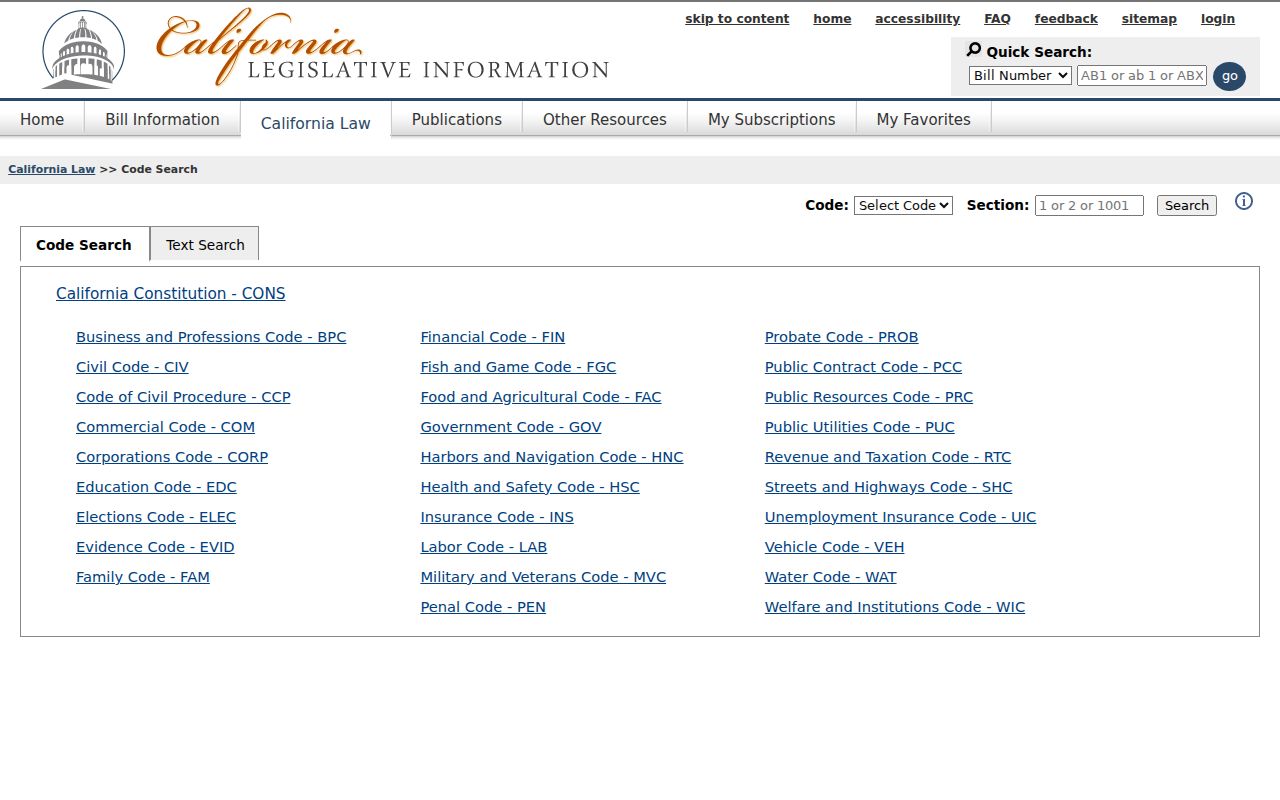
The official California Public Records Act text requires prompt availability of identifiable, nonexempt records for direct duplication cost or a statutory fee. The agency generally determines whether a request seeks disclosable records within 10 days under section 7922.535, subject to the rules on extensions and production.
The CPRA text shown here supports a narrow request for an existing Merced record.
Use the request route for permits, maps, or retention records that are not already exposed. A request can produce a record or an exemption explanation; it cannot turn an incomplete archive into a guaranteed list of occupants.
Close the Merced History Trail
Obituaries, probate files, and cemetery records are often the best endpoint when a household member dies or leaves an address. The Museum and Main Library may hold local newspaper microfilm, clipping files, and cemetery material. Court probate access is custodian-specific. Read an obituary as a family-submitted narrative and confirm important dates against a certificate, probate record, or cemetery custodian.
For previous residents, an obituary or probate clue is an endpoint to corroborate, not a current-location claim.
The State Controller's California unclaimed-property search can add a name clue. Results may show an owner or co-owner, reporting business, property type, and reported address fragment. A claim requires proof of identity or ownership, so an unclaimed-property result is not proof that a person lived at a Merced address.
The unclaimed-property search shown here represents a separate official name trail that can support, but not replace, a deed or directory record.
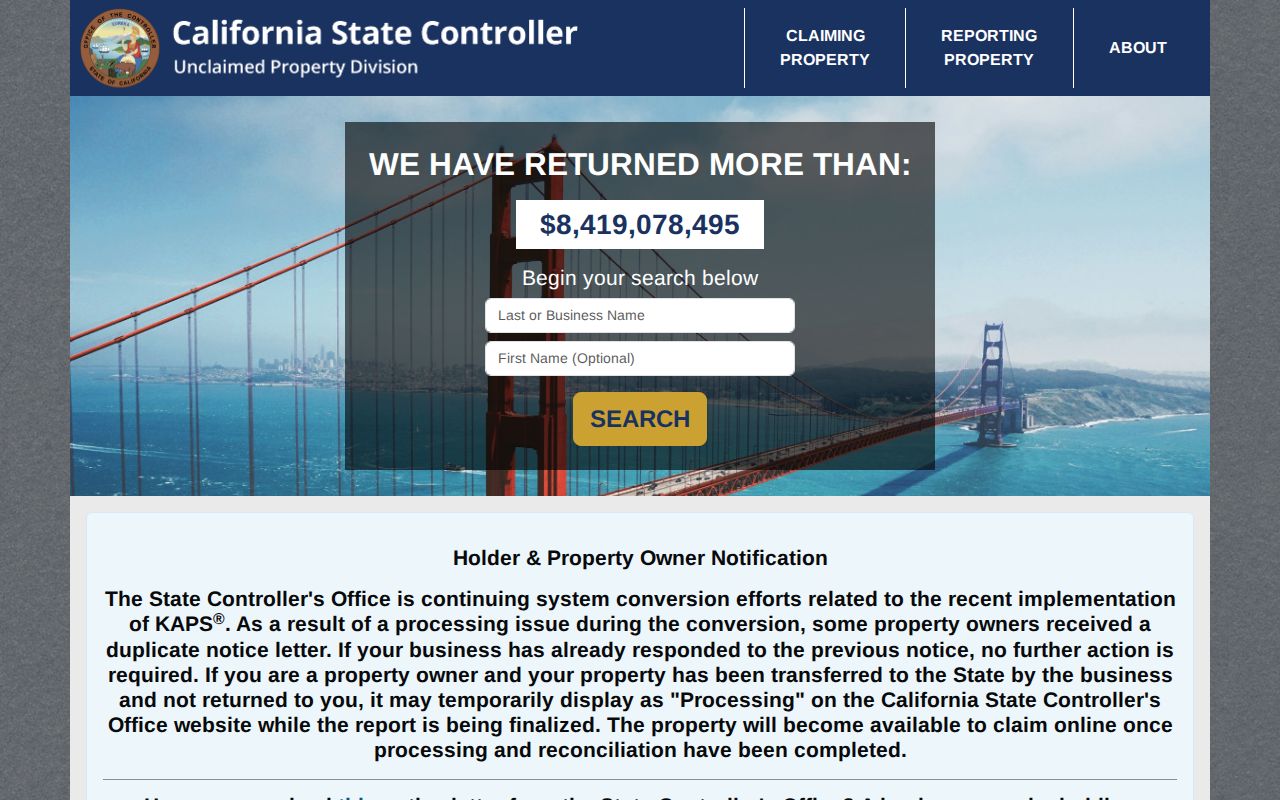
Keep the reported address fragment in its own note and compare it with the address packet before drawing a connection.
If a record trail points to a federal case rather than a county deed or probate file, the official PACER service is a separate federal court access route. It can confirm a case record, not a household or residence.
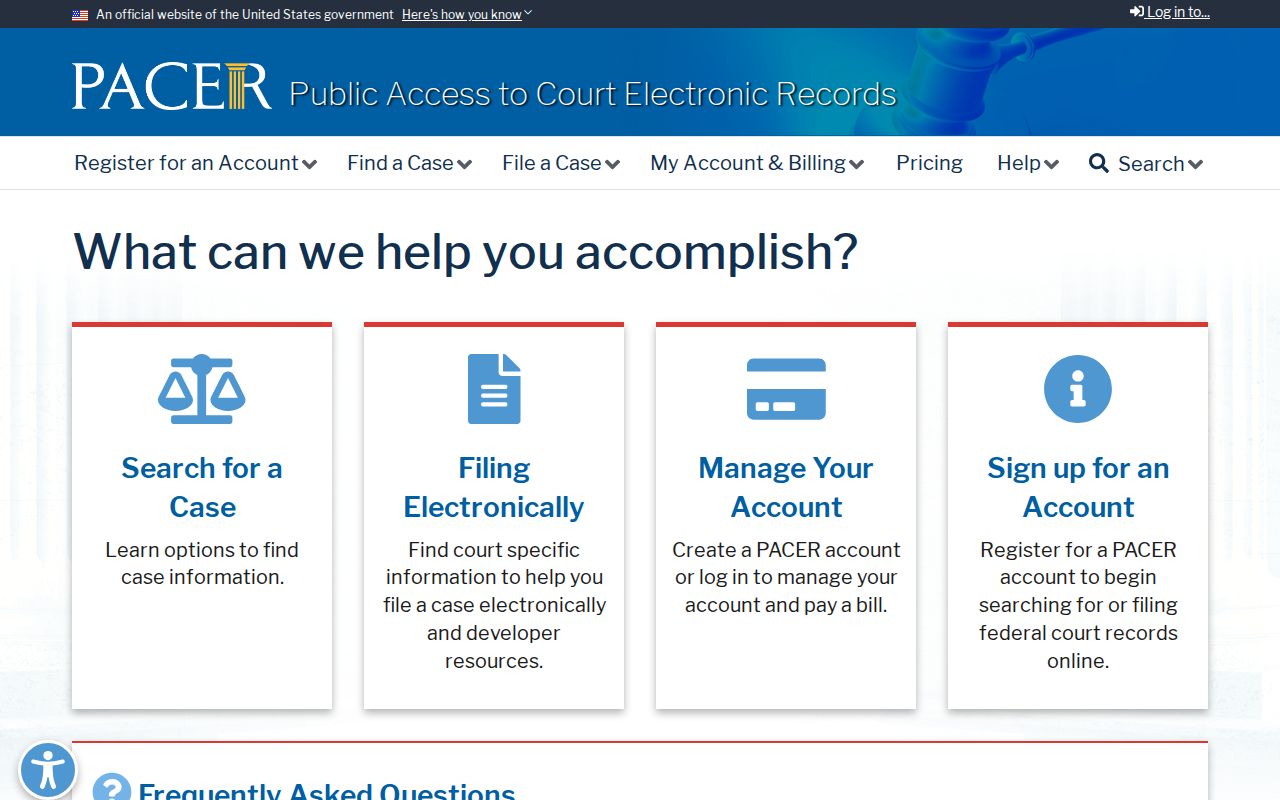
Federal case access belongs in a separate record note so it is not mistaken for the local property chain.
Lawful house history. Use previous-resident records for genealogy, heir work, house history, and other lawful personal research. Do not use a past address trail to watch, harass, intimidate, or harm anyone.